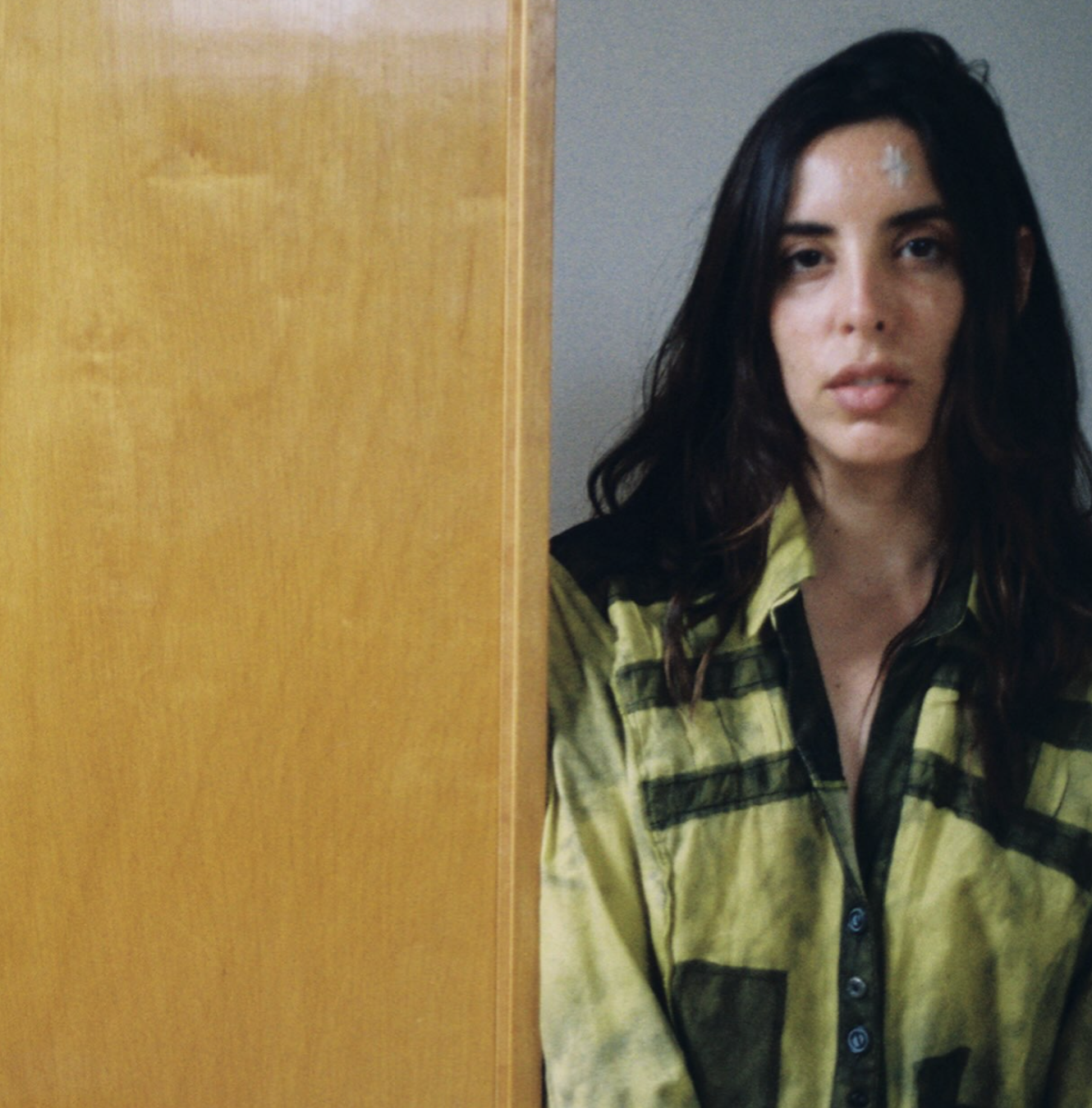
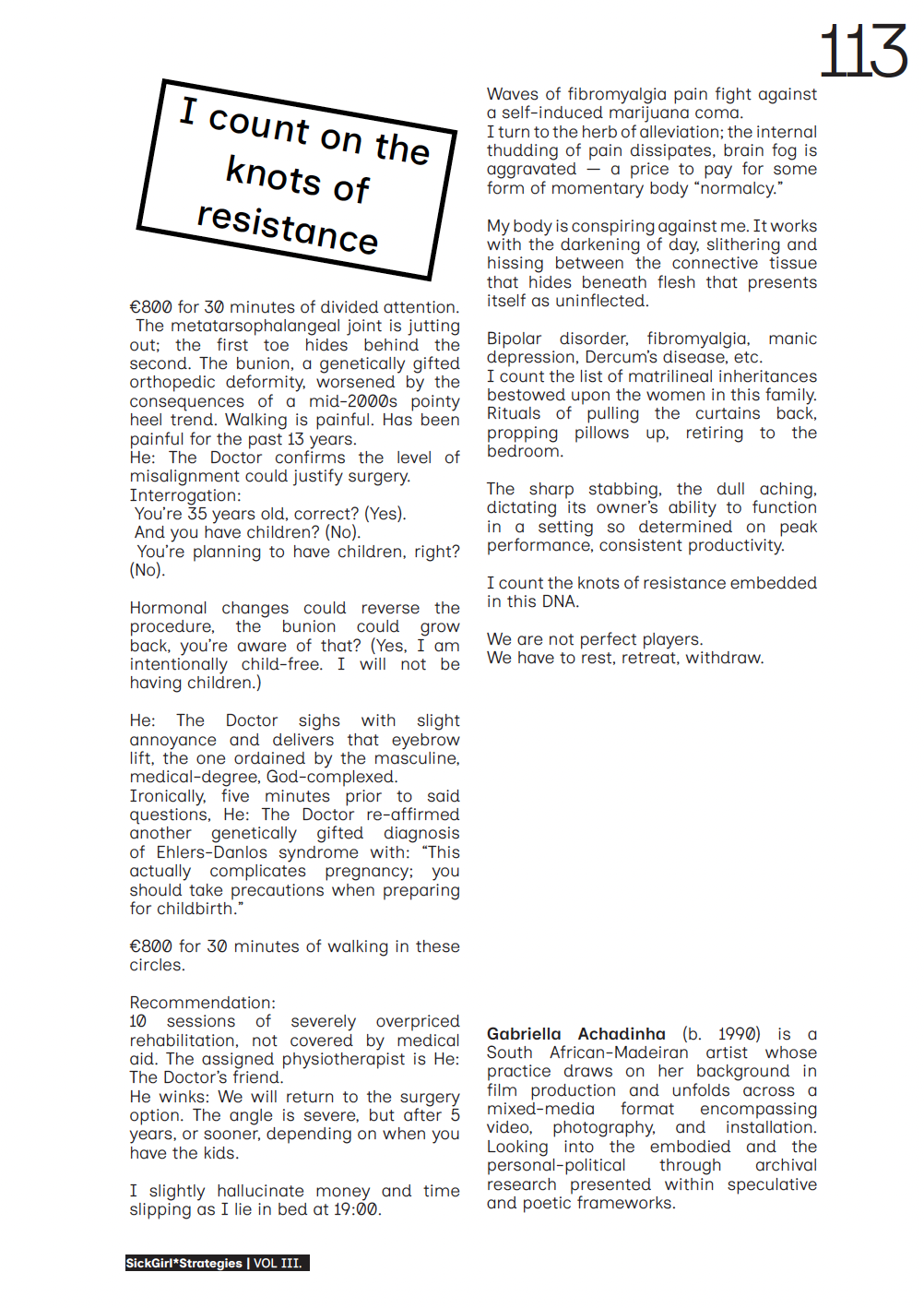
Gabriella Achadinha (b. 1990) is a South African-Madeiran artist whose practice draws on her background in film production and unfolds across a mixed-media format encompassing video, photography, and installation.

Her work engages the past as a site of inquiry. Oscillating between introspection and socio-political critique, Achadinha explores embodied experience through archival research alongside speculative and poetic frameworks.

gabriella.achadinha@proton.me
https://www.instagram.com/gabriella_achadinha/

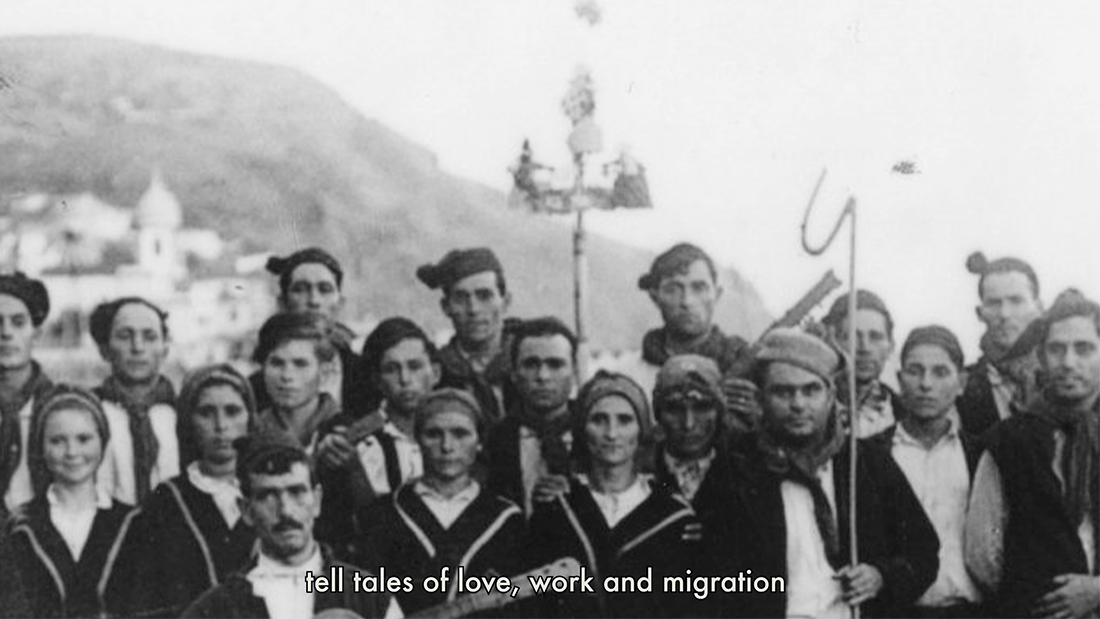
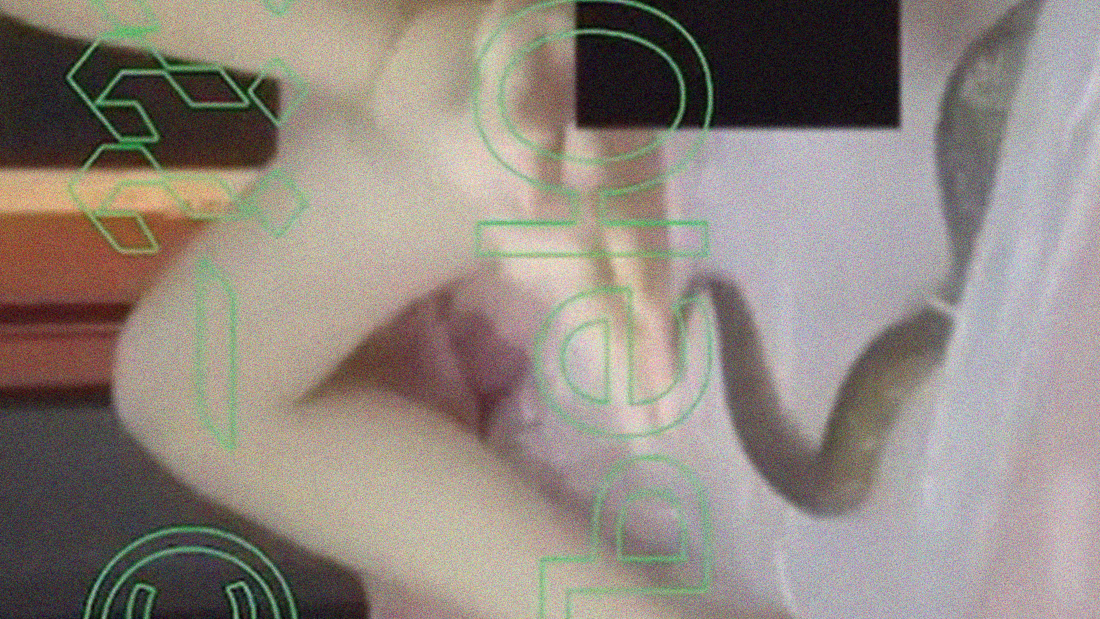
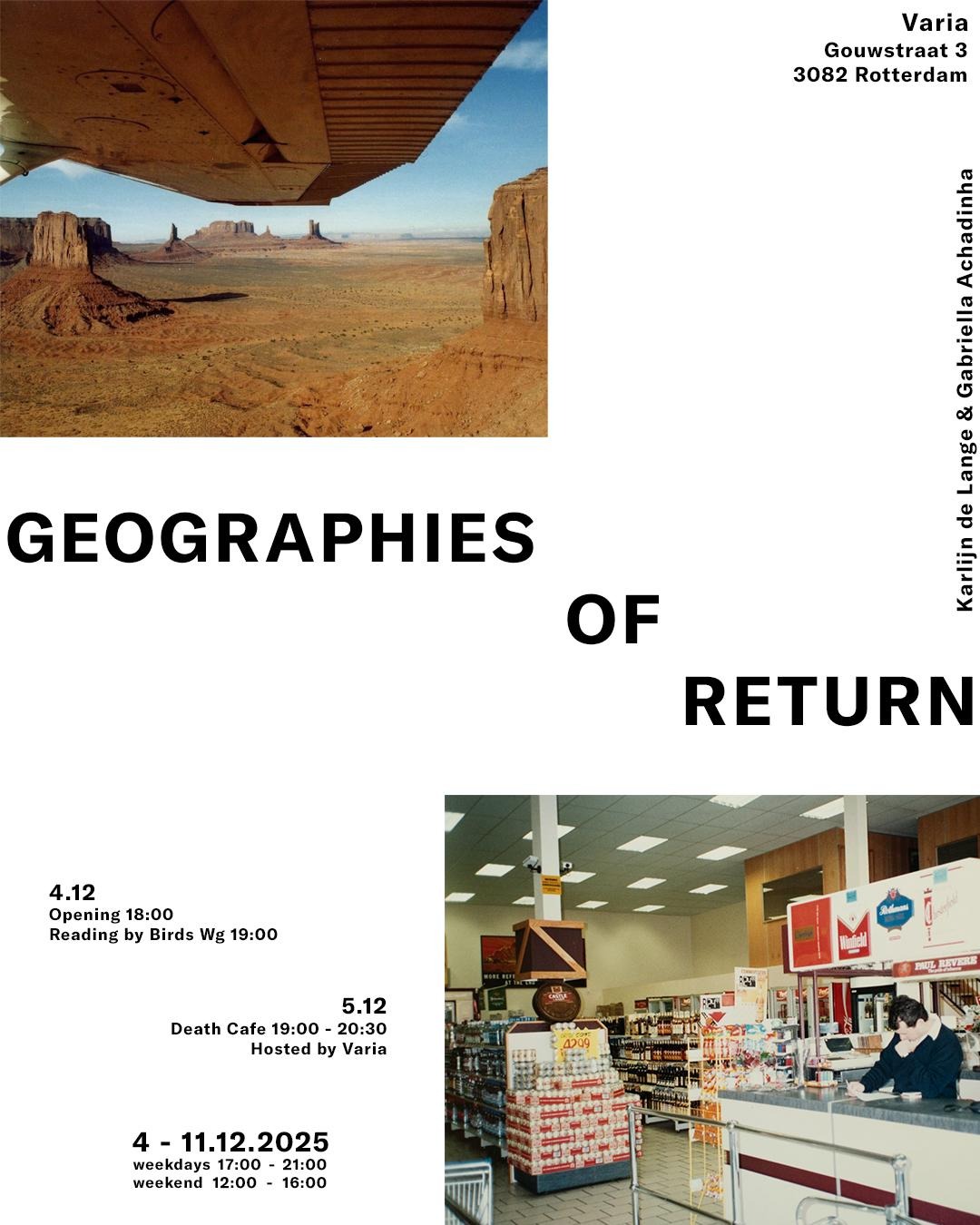
‘deixem passar (it favors the house)’ is a 8-minute video essay that revisits the grappling of identity constructed within neoliberalism. Through the telling of a familial narrative (the Madeiran diaspora in South Africa) offset against a broader socio-political framework, the work navigates grief, gendered expectation, folklore, and the wider, often invisible structures of masculinity as shaped by late capitalism.

Tracing a trajectory from the early sugarcane plantation experiments in Madeira to the diasporic commerce sites of corner and liquor stores in apartheid and post-apartheid South Africa, the ‘new promised land of milk and honey’, the film interrogates systems of extraction. This attempt to fit within an economic ‘norm’ ties into that of the casino model and how it presents within a community marked by gambling addiction, the ‘chance’ and ‘luck’ fervour of potential financial freedom playing into intergenerational obligation.

The folkloric dance ritual of the ‘Bailinho da Madeira’ is presented and referenced to as a final site of embodied connection that at first seems innocent yet contains these very same seeds of systemic pressure.

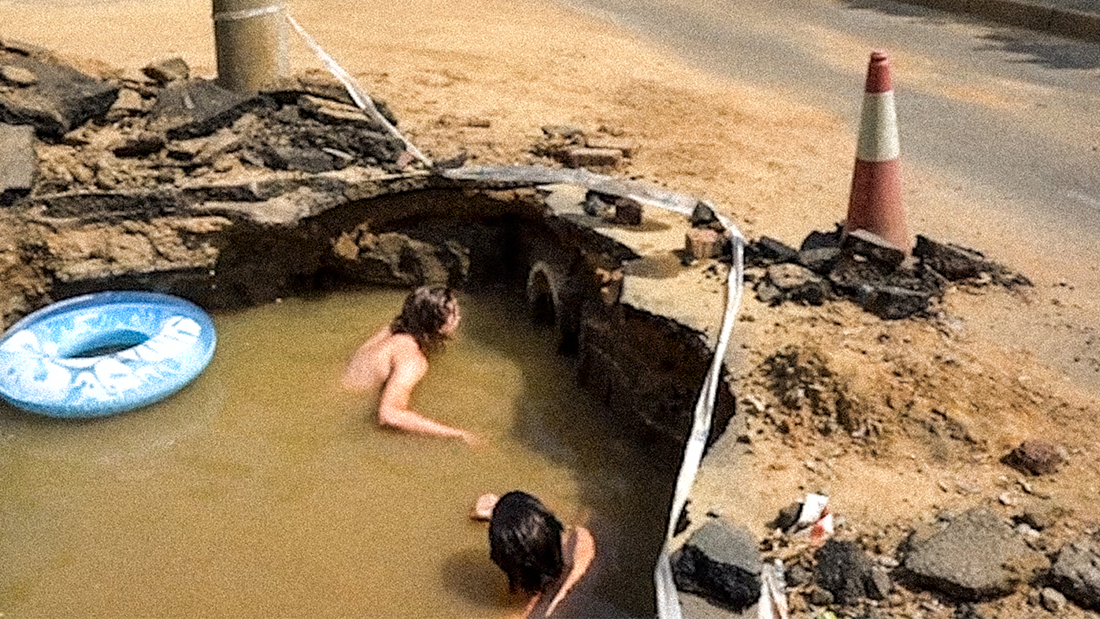
‘tar’ (2024) is a 26-minute film that, by utilizing the archive and recently taken footage, reads into potholed roads as a reflection of a political past crossroading a precarious present within South Africa; memory becomes a site of nostalgic contention and re-construction. These asphalt veins that connect cities are generally regarded as a benchmark standard of judging efficient governance. This is viewed within the now and disregards past urban planning structures that were rooted within exclusionary Apartheid systems.

This enquiry into the past is an attempt to understand how the future could pan out. In order to recognize our responsibility, our standing within tomorrows and the future to come, an in-depth, unfiltered look into the past needs to be confronted. How can we take this unearthing of trauma and reconciliation into a future that too often appears anxiety ridden and polarized?

This film does not offer suggestions of sugar-coated Utopias; instead it points to one singular country's grapplings with a history untreated and turns the microcosmic into the macrocosmic by joining our collective need to pay attention to our Earth and the impending consequences of climate change, analyzing themes of past colonial infrastructures, nostalgia, personal memory and the Anthropocene.

studio saudari sprouted in Berlin in 2020. Grounded as a space to create, (specifically zines for the moment), without restriction: a space for sharing, resisting, dreaming. studio saudari is all about collaboration and the love of merging / print / scattered roots.

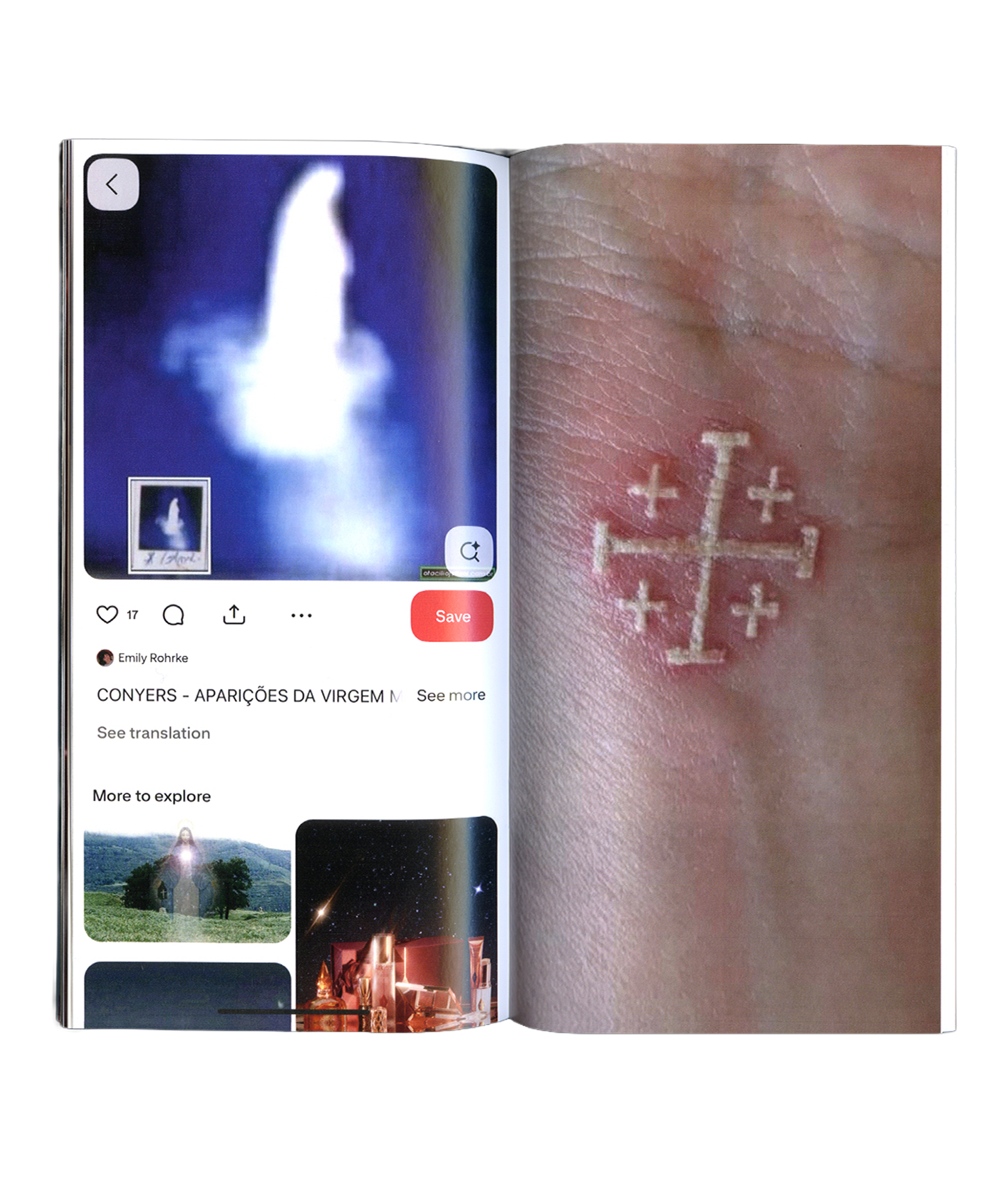
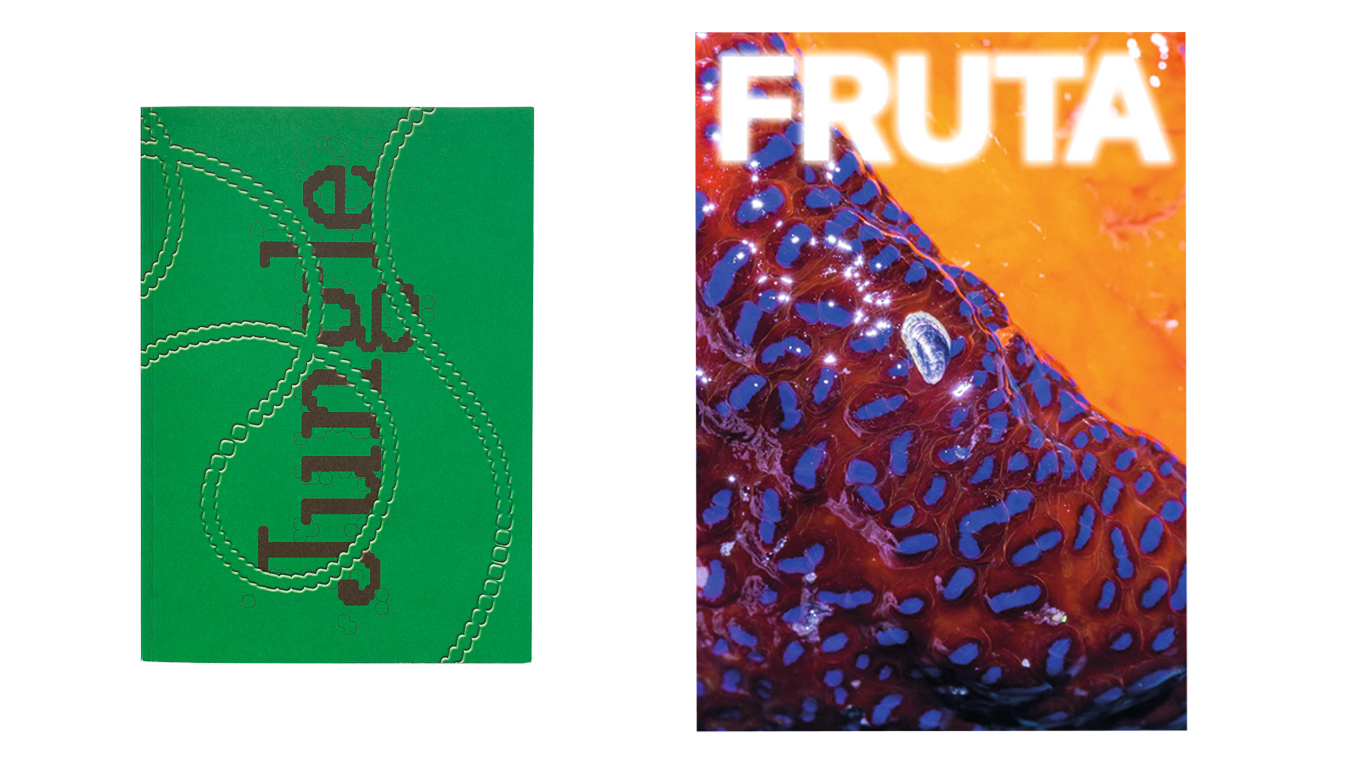
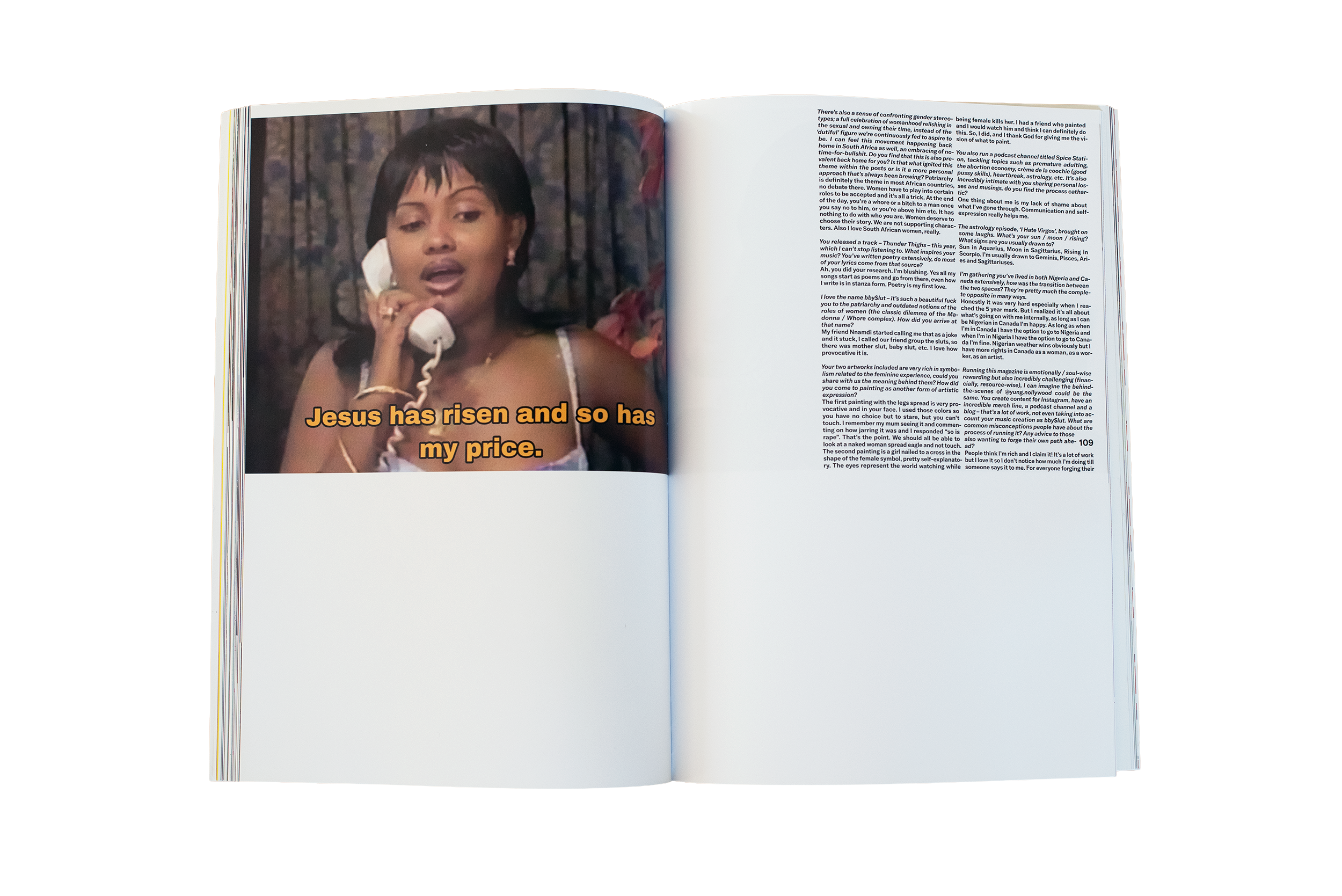
Pétala (2021) and Fruta (2023) were designed by Max Coupe, Christoph Reinicke, Alicia Gödel and curated / edited by Gabriella Achadinha. Jungle, designed by Felicia Usinto and Sera van de Water, has recently been published (July 2025) and is available for purchase.